What does DMX mean in lighting?
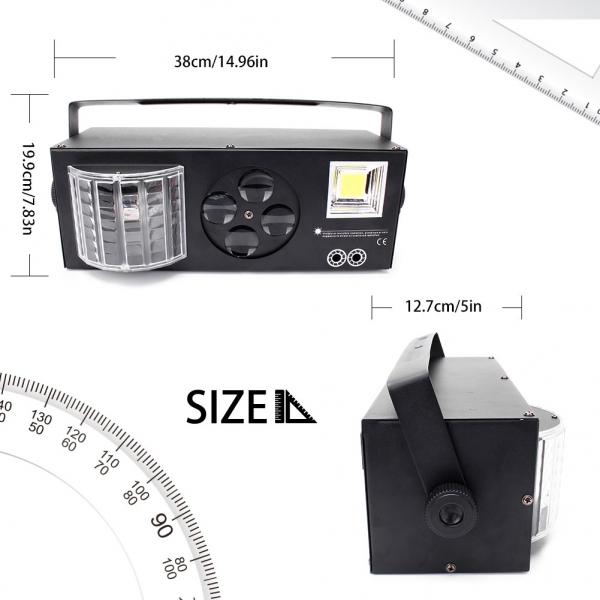
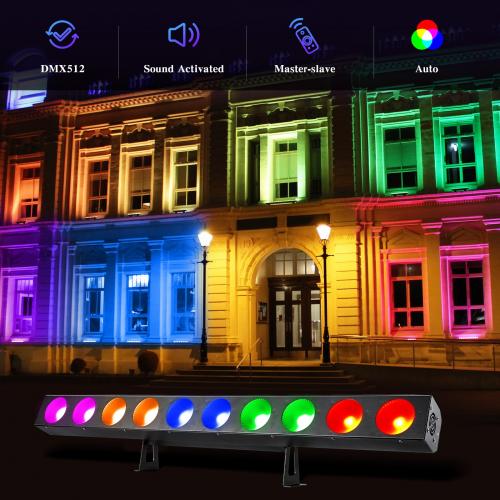
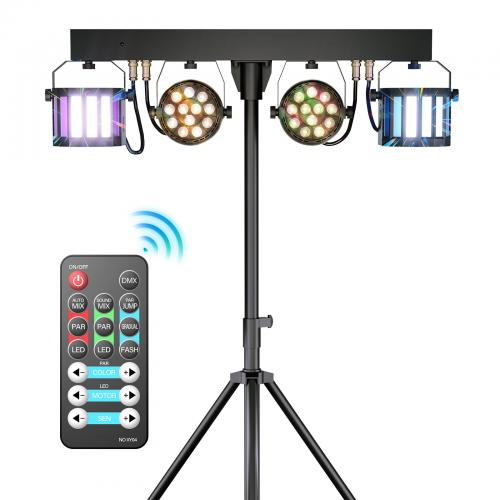
DMX, which stands for Digital Multiplex, is a standard protocol used in the lighting industry to control stage lighting and effects. It is a digital communication network that allows for the control of multiple lighting fixtures, such as dimmers, moving lights, LED fixtures, and effects devices, from a single controller or console. The DMX protocol is widely used in theatrical productions, concerts, and other live events where lighting plays a crucial role in creating atmosphere and enhancing the visual experience.
At its core, DMX is a method of transmitting data over a network of cables to control lighting fixtures. Each DMX network, also known as a DMX universe, can control up to 512 channels, with each channel representing one aspect of a lighting fixture's functionality, such as intensity, color, or movement. For example, a simple dimmer switch might use one channel, while a more complex moving light might use multiple channels to control its pan, tilt, color, and gobo (pattern) functions.
The DMX protocol was developed in the 1980s by the United States Institute for Theatre Technology (USITT) as a way to standardize the control of lighting equipment from different manufacturers. Before DMX, each manufacturer had its own proprietary control system, which made it difficult to integrate equipment from different sources. With the introduction of DMX, lighting designers and technicians could mix and match equipment from various manufacturers, leading to greater flexibility and creative possibilities in lighting design.
One of the key features of DMX is its ability to control multiple fixtures with precision and synchronization. By sending digital signals over a network of cables, DMX allows for the simultaneous control of hundreds of lighting fixtures, making it possible to create complex lighting effects and dynamic changes in real time. This capability is especially important in live events, where lighting cues must be executed with precision to match the timing of the performance.
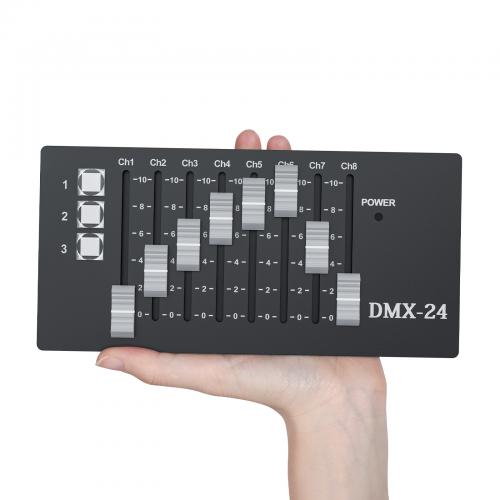
DMX is typically transmitted over a network of cables using a daisy-chain configuration, where each fixture is connected to the next in a series. The signal is sent from a DMX controller, which can be a physical console or a software-based system running on a computer. The controller sends data packets containing information about the desired state of each channel, and each fixture interprets the data to adjust its settings accordingly.
In addition to controlling traditional lighting fixtures, DMX is also used to control other types of stage equipment, such as fog machines, lasers, and video displays. This versatility makes DMX an essential tool for creating immersive and engaging live experiences.
Despite its widespread use, DMX is not without its limitations. One of the main challenges is the finite number of channels available in a single DMX universe. While 512 channels may be sufficient for smaller productions, larger shows with hundreds of fixtures may require multiple DMX universes, each with its own set of 512 channels. This can complicate the setup and programming of the lighting system, as each universe must be managed separately.
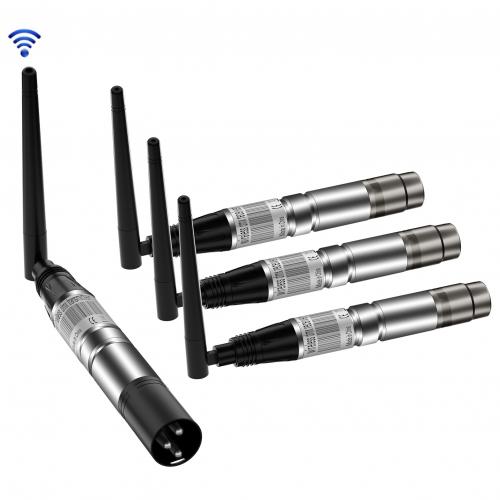
Another limitation is the reliance on physical cables to transmit the DMX signal. While wireless DMX systems are available, they can be susceptible to interference and signal loss, especially in environments with a high density of wireless devices. As a result, many lighting professionals prefer to use wired DMX networks to ensure reliable communication between the controller and fixtures.
In recent years, advancements in technology have led to the development of new protocols and systems that build on the foundation of DMX. For example, Art-Net and sACN are network-based protocols that allow for the transmission of DMX data over Ethernet networks, providing greater flexibility and scalability in lighting control. These protocols enable the integration of DMX with other digital systems, such as audio and video, to create more cohesive and synchronized live productions.
Despite these advancements, DMX remains a cornerstone of the lighting industry, thanks to its simplicity, reliability, and widespread adoption. For lighting professionals and enthusiasts alike, understanding DMX is essential for designing and executing effective lighting designs in a variety of settings.
In conclusion, DMX is a crucial protocol in the world of lighting control, enabling the precise and synchronized operation of lighting fixtures and effects. Its standardization has allowed for greater creativity and flexibility in lighting design, making it an indispensable tool for live events and productions. While it has its limitations, DMX continues to evolve alongside new technologies, ensuring its relevance and utility in the ever-changing landscape of stage and event lighting.