What is the lifespan of a moving head light?
Moving head lights are a staple in the world of stage and event lighting, known for their versatility and dynamic capabilities. These lights are crucial for creating captivating visual experiences during concerts, theatrical performances, and other live events. However, one of the most common questions asked by professionals and enthusiasts alike is: "What is the lifespan of a moving head light?" Understanding the lifespan of these lights is essential for budgeting, planning, and maintaining a successful lighting setup.
In general, the lifespan of a moving head light is influenced by several factors, including the type of light source used, the quality of the fixture, and the conditions under which it operates. Let's delve into these factors to provide a comprehensive understanding of the lifespan of moving head lights.
1. Type of Light Source:
The type of light source is a primary determinant of the lifespan of a moving head light. Traditionally, moving head lights have used halogen or discharge lamps, but in recent years, LED technology has become increasingly popular due to its longevity and efficiency.
-
Halogen Lamps: These are one of the oldest forms of lighting used in moving head fixtures. Halogen lamps typically have a lifespan of around 1,000 to 2,000 hours. While they are known for their warm color temperature, they are less efficient and have a shorter lifespan compared to newer technologies.
-
Discharge Lamps: These lamps, such as metal halide and high-pressure sodium lamps, offer a longer lifespan than halogen lamps, usually ranging from 2,000 to 3,000 hours. They are known for their bright output and are often used in larger venues where high luminosity is required.
-
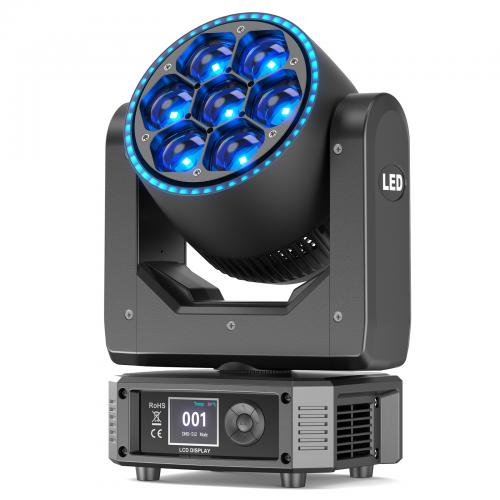
LEDs: LED technology has revolutionized the lighting industry, offering a lifespan of up to 50,000 hours or more. LEDs are highly efficient, produce less heat, and offer a wide range of colors and effects. As a result, they have become the preferred choice for many lighting professionals.
2. Quality of the Fixture:
The overall quality of the moving head fixture plays a significant role in its lifespan. High-quality fixtures are typically built with durable materials and superior engineering, which can withstand the rigors of frequent use and transportation. Investing in reputable brands and models often ensures a longer lifespan and better performance.
3. Operating Conditions:
The conditions under which moving head lights are used can greatly affect their longevity. Factors such as temperature, humidity, and exposure to dust or smoke can impact the lifespan of the fixture. Proper maintenance and regular cleaning are essential to ensure optimal performance and extend the lifespan of the lights.
4. Usage Frequency:
The frequency and intensity of use also contribute to the lifespan of moving head lights. Fixtures that are used continuously at high intensity will naturally have a shorter lifespan than those used intermittently or at lower power levels. Balancing usage and allowing for rest periods can help maximize the life of the lights.
5. Maintenance and Care:
Regular maintenance is crucial for extending the lifespan of moving head lights. This includes cleaning the lenses and filters, checking and replacing worn parts, and ensuring that the fixture is operating within its specified parameters. Proper maintenance can prevent premature failure and ensure consistent performance.
Conclusion:
The lifespan of a moving head light is not a fixed number but rather a range influenced by multiple factors. Understanding these factors can help lighting professionals make informed decisions when selecting and using moving head lights. By choosing the right type of light source, investing in quality fixtures, maintaining optimal operating conditions, and practicing regular maintenance, one can significantly extend the lifespan of moving head lights.
In summary, while halogen and discharge lamps offer shorter lifespans, LEDs provide a much longer service life, making them a cost-effective and efficient choice for modern lighting setups. The quality of the fixture, operating conditions, usage frequency, and maintenance practices all play a critical role in determining how long a moving head light will last. By paying attention to these details, professionals can ensure that their lighting setups remain vibrant and functional for years to come.
Ultimately, the key to maximizing the lifespan of moving head lights lies in understanding the interplay of these factors and taking proactive steps to address them. With the right approach, moving head lights can continue to enhance live events with their dynamic capabilities, creating unforgettable experiences for audiences worldwide.