What is the highest efficacy LED?
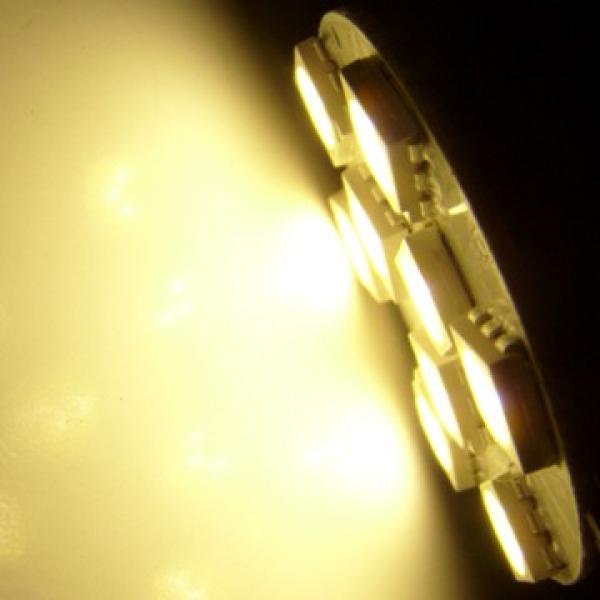
In the realm of lighting technology, Light Emitting Diodes (LEDs) have revolutionized the industry with their energy efficiency, longevity, and versatility. As the demand for sustainable lighting solutions grows, the quest for the highest efficacy LED becomes increasingly relevant. Efficacy, in simple terms, refers to the amount of light produced per unit of power consumed, generally measured in lumens per watt (lm/W). This article aims to explore the concept of LED efficacy, the factors that influence it, and how to identify the highest efficacy LEDs available in the market.
Understanding LED Efficacy
LED efficacy is a crucial metric in determining the performance and energy efficiency of an LED light source. It reflects how effectively an LED converts electrical energy into visible light. Higher efficacy means more light output for less power consumption, which translates to lower energy bills and reduced environmental impact.
Factors Affecting LED Efficacy
Several factors influence the efficacy of LEDs:
-
Material Quality: The materials used in the construction of an LED chip significantly affect its efficacy. High-quality semiconductor materials can enhance the light output and efficiency of the LED.
-
Chip Design: The design and architecture of the LED chip play a critical role in determining its efficacy. Innovations in chip design, such as improved heat dissipation and light extraction techniques, contribute to higher efficacy.
-
Driver Efficiency: The LED driver, which regulates the power supply to the LED, impacts overall efficacy. Efficient drivers ensure that more power is converted into light rather than wasted as heat.
-
Thermal Management: Proper thermal management is vital for maintaining LED efficacy. Excessive heat can degrade LED performance and reduce its lifespan. Advanced cooling systems and heat sinks can help maintain optimal operating temperatures.
-
Optics: The optics used in LED fixtures, such as lenses and reflectors, influence the direction and distribution of light. High-quality optics can enhance light output and efficacy.
Identifying High-Efficacy LEDs
When searching for the highest efficacy LEDs, consider the following criteria:
-
Lumens per Watt: Check the lumens per watt rating of the LED product. This is the most direct measure of efficacy. LEDs with higher lm/W ratings are more efficient.
-
Brand Reputation: Established brands often invest in research and development to produce high-efficacy LEDs. Look for products from reputable manufacturers known for their innovation and quality.
-
Third-Party Certifications: Certifications from organizations like ENERGY STAR or DLC (DesignLights Consortium) indicate that the LED product meets stringent efficiency standards.
-
Product Reviews: Consumer reviews and expert evaluations can provide insights into the real-world performance of LED products.
Current Leaders in LED Efficacy
As of the latest data, several manufacturers are leading the charge in producing high-efficacy LEDs:
-
Cree Lighting: Known for their cutting-edge technology, Cree offers LEDs with efficacy ratings exceeding 200 lm/W, setting a benchmark in the industry.
-
Philips Lighting: Philips continues to innovate with their LED offerings, providing products with high efficacy and excellent color rendering.
-
Osram Opto Semiconductors: Osram's LEDs are renowned for their efficiency and reliability, making them a popular choice for commercial and industrial applications.
Practical Applications of High-Efficacy LEDs
The use of high-efficacy LEDs extends across various sectors, each benefiting from the energy-saving and performance-enhancing properties of these lights:
-
Residential Lighting: Homeowners can significantly reduce energy consumption and costs by switching to high-efficacy LED bulbs, which offer bright illumination and long lifespans.
-
Commercial Lighting: Businesses can enhance workplace lighting while minimizing energy expenses by adopting high-efficacy LED fixtures.
-
Street Lighting: Municipalities can improve public safety and reduce maintenance costs by installing high-efficacy LED streetlights, which offer superior brightness and durability.
-
Industrial Applications: Factories and warehouses benefit from high-efficacy LEDs, which provide robust and efficient lighting for large spaces.
Conclusion
The pursuit of the highest efficacy LED is not just a matter of technological advancement but also a step towards sustainability and energy conservation. By understanding LED efficacy and the factors that influence it, consumers and businesses can make informed decisions that align with their lighting needs and environmental goals. As technology continues to evolve, we can expect even greater innovations in LED efficacy, further solidifying LEDs as the lighting solution of the future. Whether for residential, commercial, or industrial use, high-efficacy LEDs offer a compelling case for energy-efficient and cost-effective lighting.